How Merino Wool Is Made: From Pasture to Premium Fiber
Merino wool has earned a reputation as one of the world’s finest natural fibers—soft, breathable, and remarkably temperature-regulating. But before it becomes the performance fabric found in outdoor gear and luxury apparel, it begins with a carefully raised animal: the Merino sheep. Understanding how these sheep are raised helps us appreciate both the quality of the fiber and the care behind its production.
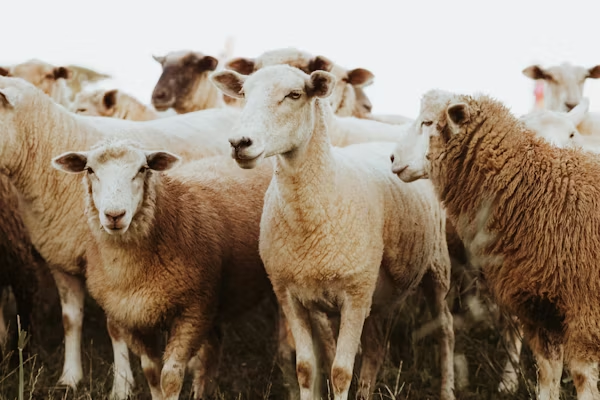
Merino sheep thrive in regions with wide temperature swings, such as New Zealand, Australia, and parts of South America. Farmers begin by selecting healthy breeding stock known for strong genetics—fine fiber diameter, good crimp, and robust overall health. Lambs grow up on expansive pastures where they graze freely, feeding primarily on natural grasses. This low-stress, open-range lifestyle is essential; a calm sheep produces better wool.
Animal welfare plays a central role in Merino farming. Regular health checks ensure that sheep remain parasite-free, well-fed, and comfortable in varying climates. Their wool naturally insulates them in winter and breathes in summer, but farmers also provide supplementary shelter or feed when seasonal conditions demand it. Ethical producers take additional steps to eliminate practices that cause stress or harm, making humane treatment a hallmark of premium Merino wool.
As the fleece grows—typically over eight to twelve months—it becomes ready for shearing. Skilled shearers remove the fleece in a single, continuous piece using electric clippers. The process is quick and painless, much like getting a haircut. After shearing, the wool is skirted to remove dirt and vegetable matter, then sorted according to its staple length, fineness, and overall quality.
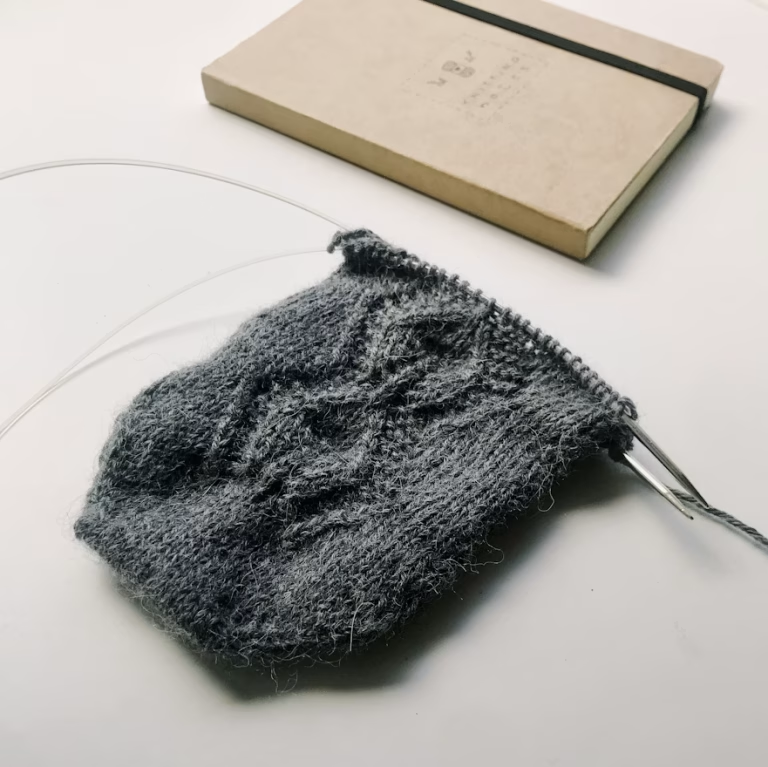
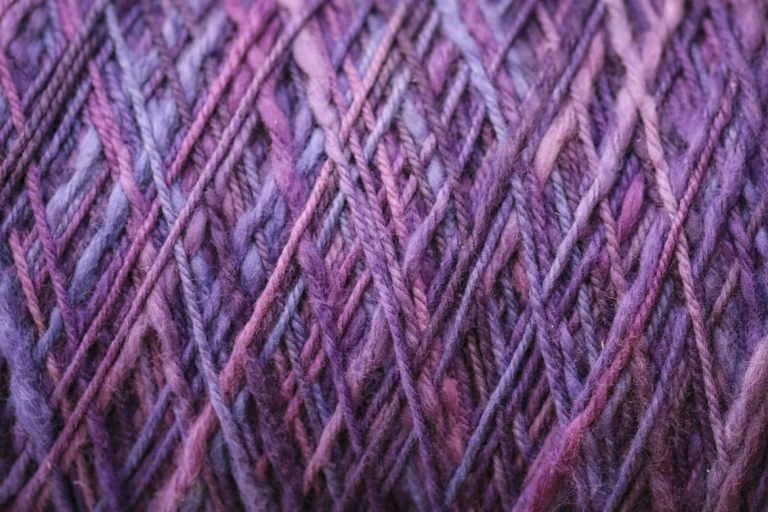
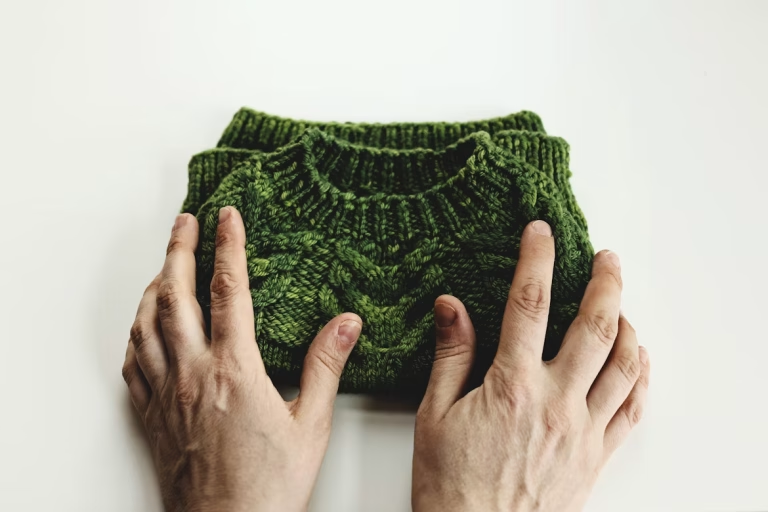
From here, the journey continues into washing, carding, spinning, and eventually weaving or knitting—but it’s the careful, year-round stewardship of the sheep that determines how exceptional the final product will be. When you slip on a Merino wool sweater or base layer, you’re wearing not just a fiber, but the result of thoughtful farmers, healthy sheep, and a long tradition of sustainable, natural craftsmanship.